


-

Add: HeBei ShengShi HongBang Cellulose Technology CO.,LTD.
-

Email
13180486930@163.com -

CONTACT US
+86 13180486930
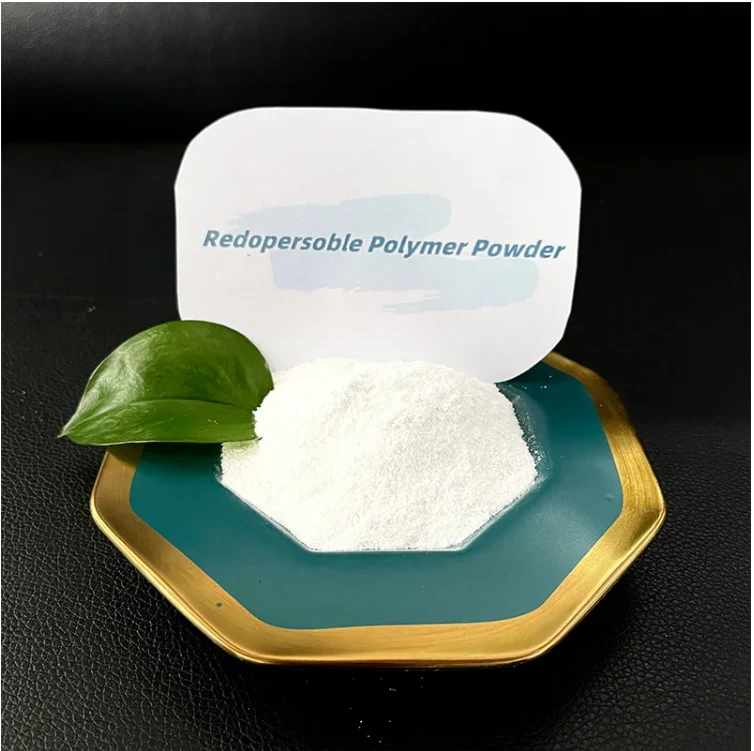


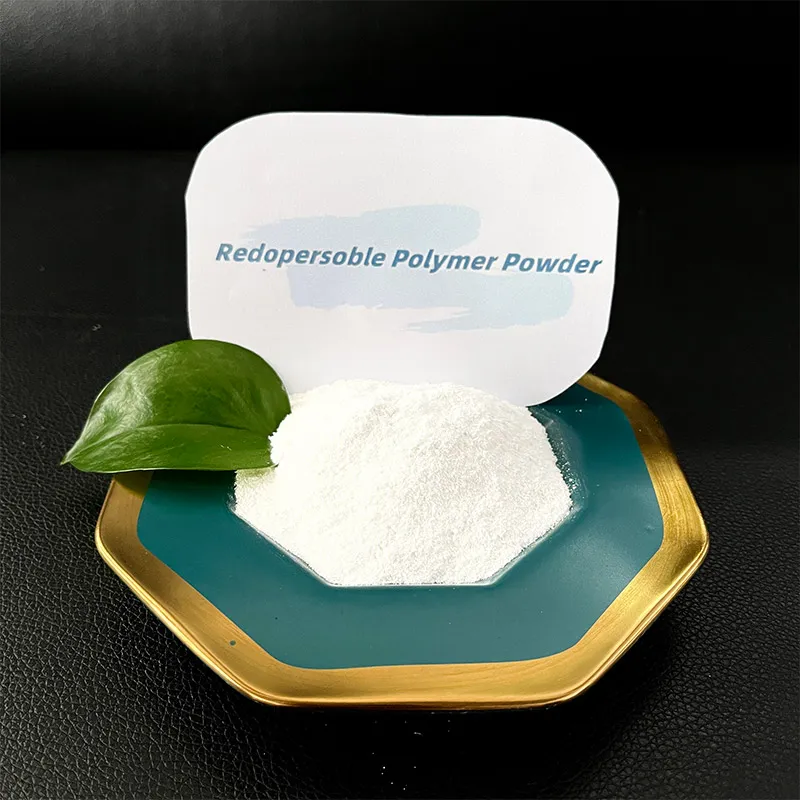
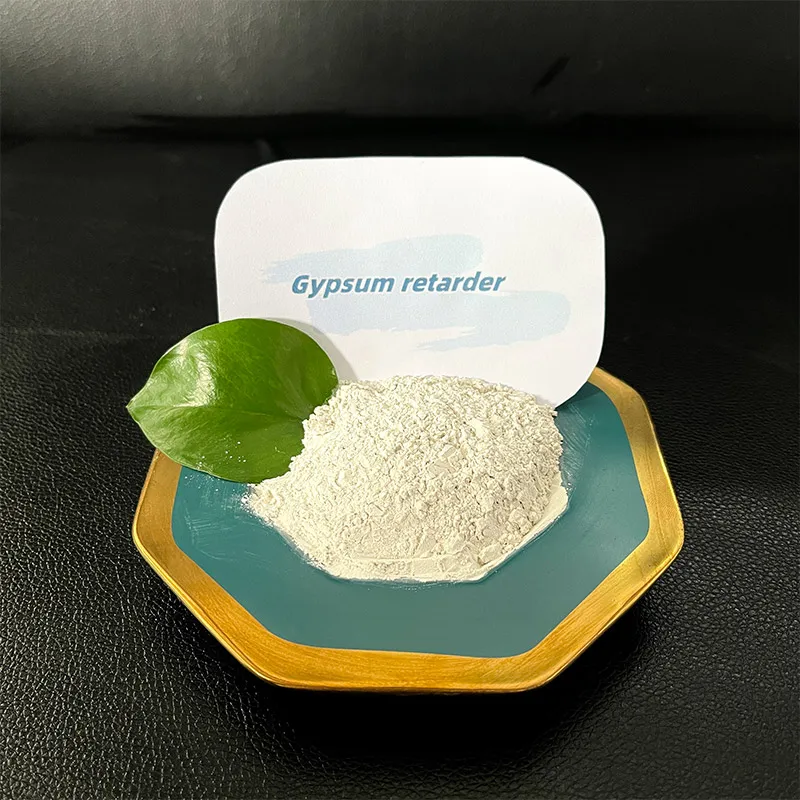
If you’ve ever tried to trowel a ceiling while the mix is racing ahead of you, you know the feeling: panic. That’s why a plaster retarder can be a genuine lifesaver on site. In fact, the right blend doesn’t just buy you time—it stabilizes workability so crews can finish cleanly, reduce waste, and hit spec without drama. Industry snapshot Gypsum-based products are booming with prefab panels, skim coats, machine-applied plasters, and fast-turn interiors. Contractors ask for predictable open time and smoother pumpability. Lately we’re seeing bio-based and low-odor chemistries, plus tighter QC aligned to ASTM/EN standards. It seems that brands able to tune set-time windows by application—board jointing vs. decorative moldings—are quietly winning bids. What the product is (and why it works) Gypsum retarder from HeBei ShengShi HongBang Cellulose Technology CO., LTD (Room 1904, Building B, Wanda Office Building, JiaoYu Road, Xinji City, Hebei Province) uses organic carboxylates and protein-modified actives to temporarily slow calcium sulfate hemihydrate hydration. In plain English: it gives you controllable working time without wrecking early strength—assuming, of course, you dose properly. Spec Typical value (≈; real-world use may vary) Form Free-flowing powder Dosage (on hemihydrate) 0.08–0.25% w/w Set-time extension From ~10 min to 35–90 min (ASTM C472/C266) Impact on strength @2h ±5% vs. control (proper dosing) pH (1% solution) 5.0–7.0 Shelf life 12 months, sealed, dry conditions Process flow, methods, and testing Materials : alpha/β-hemihydrate gypsum, water, cellulose ethers, dispersants, and a plaster retarder tailored to substrate and climate. Method : dry blend retarder into powder (preferred) or pre-dissolve in mix water; mix 2–3 minutes; check consistency. Verify set by Gillmore/Vicat needles (ASTM C266/C472) and conformity to EN 13279-1 categories. Service life of finished work is equivalent to control mixes when curing is correct. Industries : interior plastering, prefabricated moldings, gypsum blocks, machine-sprayed plasters, joint compounds, casting studios. Advantages: extended open time, smoother troweling, fewer cold joints, better pumpability, reduced rework. Usage scenarios: hot climates, large wall spans, intricate cornices where fast set ruins detail, or when batching is continuous. Vendor comparison (practitioner’s view) Vendor Certs Customization Lead time Notes HeBei ShengShi HongBang ISO 9001; RoHS-like screening Dosage/tuning by climate & substrate 7–14 days Strong tech support, consistent lots Global Vendor A ISO 9001/14001 Limited SKUs 10–21 days Stable but pricier Regional Vendor B Factory QC only On request 5–10 days Cost-effective; batch variation possible Customization and field cases Customization usually starts with base gypsum type and ambient temperature. Many customers say a plaster retarder tuned for summer cured their “flash set” headaches without over-watering the mix. Case 1 (MENA high-rise interiors) : Machine-sprayed plaster hitting initial set in ~12 min. With 0.15% additive, initial set moved to ~50 min; rework dropped ~30% and finish improved. Case 2 (Decorative casting) : Ornate cornices losing detail. At 0.10% dosage, open time rose to ~40 min, edge fidelity improved; compressive strength at 2 h within +3% of control (ASTM C472). Testing, certifications, and notes from site Tested per ASTM C472 and C266; conformity to EN 13279-1 categories on request. Typical lab data: control initial set 9–12 min; with 0.20% plaster retarder 60–75 min; water demand +1–2%. Storage: keep dry; reseal partial bags. Overdose? Expect slump loss/late strength dip—always run a trial batch. Certifications: ISO 9001 quality system maintained; safety data sheet available. References ASTM C472 – Standard Test Methods for Physical Testing of Gypsum, Gypsum Plasters and Gypsum Concrete. ASTM C266 – Standard Test Method for Time of Setting of Hydraulic-Cement Paste by Gillmore Needles (applicable to gypsum plasters). EN 13279-1 – Gypsum binders and gypsum plasters – Part 1: Definitions and requirements. ISO 9001 – Quality management systems – Requirements.
- 40000tons

Production
- 20+years

Experience
- 5000+㎡

Acreage

-

In the ever-evolving landscape of manufacturing, rubber powder has emerged as a vital component, especially in sectors aiming for sustainability and cost-effectiveness. Derived primarily from recycled tires, rubber powder finds applications in numerous industries, such as automotive, construction, and even footwear. The sustainability angle makes it appealing to eco-conscious manufacturers, while the cost benefits extend its reach to businesses of all sizes. The journey from a discarded tire to finely ground rubber powder is both fascinating and enlightening. The manufacturing process of rubber powder is an exemplar of how innovation and sustainability can coexist. The process typically involves several critical stages, each contributing uniquely to the final product's quality and applicability. The first crucial step in manufacturing rubber powder is the collection and inspection of waste tires. Tires are often sourced from landfills or directly from tire retailers. The inspection process ensures that only suitable tires—free from significant contaminants—are processed. The collected tires then undergo shearing, where they are cut into smaller, manageable chunks. Once sheared, the rubber chunks enter the initial grinding phase. This step involves powerful grinders that break down the rubber into smaller granules. It's essential that the grinding process is done under controlled conditions to maintain the rubber's intrinsic properties. Cryogenic grinding often plays a role here, where the rubber is frozen using liquid nitrogen and then shattered. This method not only preserves the rubber's quality but also ensures uniform granule size, which is crucial for quality control and subsequent applications. Following the grinding, magnetic separation is employed to remove metallic contaminants such as steel wire, which is a standard component in tire manufacturing. Advanced separators employ both magnetic and eddy-current technologies to ensure a high degree of purity in the resultant rubber granules. The next phase involves refining these granules into powder form. Milling machines are used to pulverize the granules into fine rubber powder. The fineness of this powder can be adjusted based on the specific requirements of its intended use—ranging from coarse grades for general applications to ultra-fine grades for more sophisticated industrial purposes. This adaptability is key to rubber powder's versatility in various manufacturing processes . rubber powder wikipedia manufacturing process A critical aspect of rubber powder production is quality assurance. Numerous tests are conducted to ensure the powder meets industry standards for particle size, tensile strength, and purity. Consistent quality is imperative, as the performance of the rubber powder in its final application hinges on these metrics. Experts in the field advocate for continuous innovation in this process. Advanced technologies like automated sorting and AI-driven quality control systems are being integrated to enhance efficiency and precision. These innovations not only streamline operations but also bolster the reliability and consistency of the rubber powder produced. Sustainability is a cornerstone of the rubber powder manufacturing process. By recycling tires, manufacturers significantly reduce the environmental impact associated with rubber production. This process also aligns with the circular economy principles, where waste is minimized and resources are reutilized effectively. The market for rubber powder is expansive. In construction, it is used to produce modified asphalt, offering improved durability and resistance to the elements. In the automotive industry, it provides enhanced properties in tire and non-tire applications. Moreover, its use in consumer goods such as rubber-soled footwear and playground surfaces underscores its broad applicability. For manufacturers looking to integrate rubber powder into their products, understanding the nuanced process of its creation is essential. By leveraging this knowledge, companies can optimize product performance, reinforce their commitment to sustainability, and achieve significant cost savings. In conclusion, the production of rubber powder is a testament to the innovative spirit within the manufacturing sector, combining technical expertise with sustainable practices. As industries continue to seek eco-friendly and efficient materials, rubber powder’s role is poised to expand, offering myriad possibilities for future development and application.
-
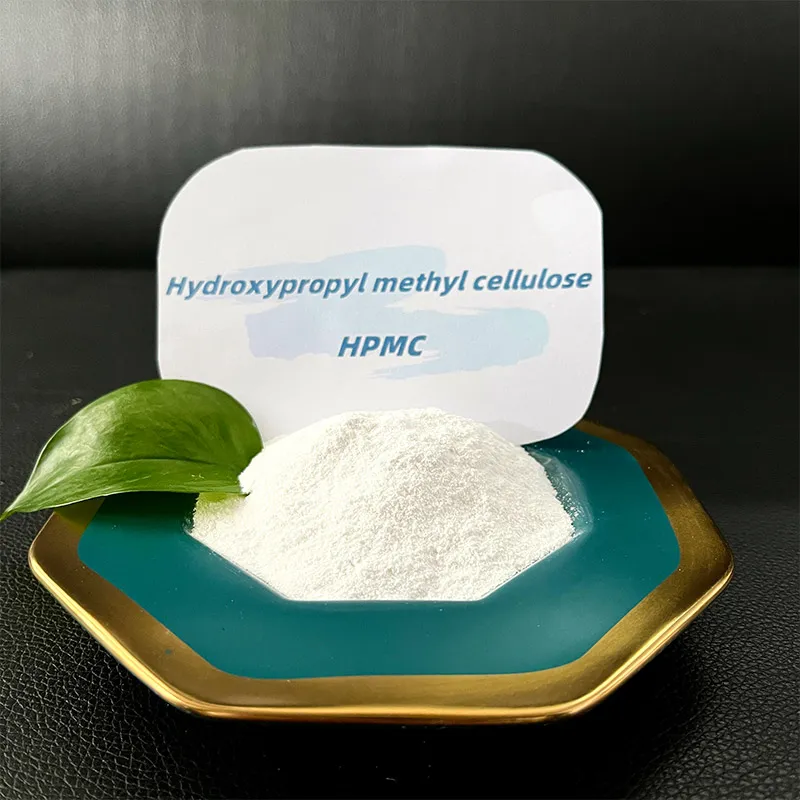
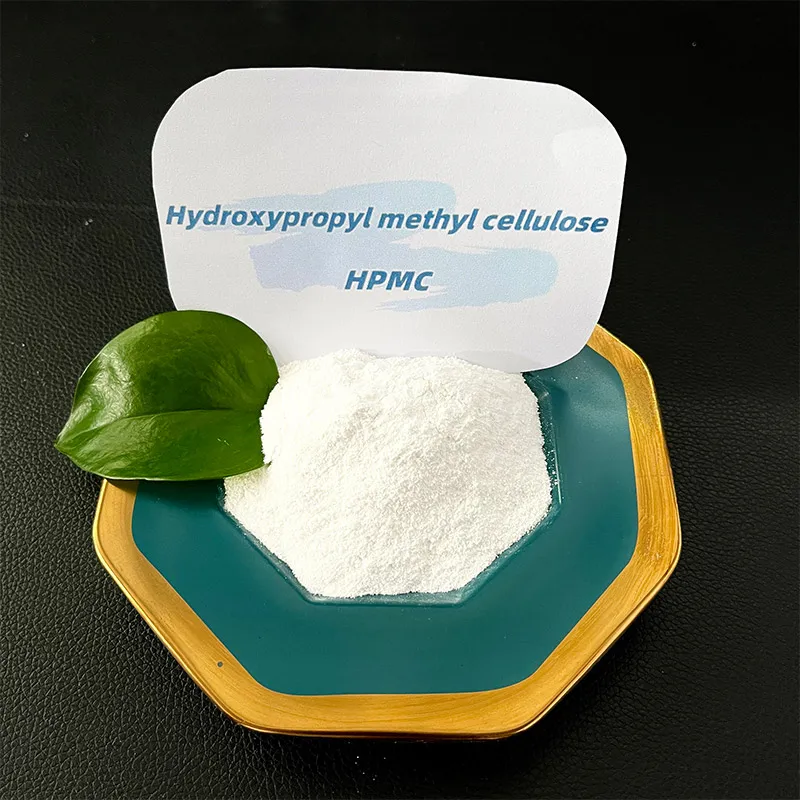
Unlocking the Potential of HPMC A Comprehensive Guide to Finding Quality HPMC for Sale Exploring the world of construction and pharmaceuticals often leads one to discover crucial compounds that serve as the backbone for many industry applications. Among these compounds, Hydroxypropyl Methylcellulose, or HPMC, stands out due to its versatile nature and beneficial properties. For businesses seeking to integrate HPMC into their processes, finding reliable sources of HPMC for sale is paramount . Hydroxypropyl Methylcellulose (HPMC) is a non-ionic, water-soluble cellulose ether, celebrated for its binding, thickening, and stabilizing abilities. This makes it an indispensable ingredient in construction materials, pharmaceuticals, personal care products, and even food. As demand grows across these sectors, there is an imperative need to secure high-quality HPMC from reputable suppliers. The construction industry extensively utilizes HPMC as a crucial component in cement-based materials, adhesives, and coatings. Its ability to enhance water retention, workability, and overall performance of construction materials makes it an essential additive. When searching for HPMC for sale in this sector, companies should look for suppliers that can verify the purity and grade specific to industry standards, ensuring optimal product performance. In pharmaceuticals, HPMC serves as an excipient in tablet formulations, utilized for its film-forming properties that assist in controlled drug release. Its non-toxic, hypoallergenic nature assures that it meets the rigorous demands of pharmaceutical manufacturers. Companies sourcing HPMC for this purpose must prioritize suppliers who provide certification of compliance with regulatory bodies such as the FDA or EMA. The skincare and personal care industries also harness the versatility of HPMC, employing it as a thickener and stabilizer in lotions, creams, and shampoos. For companies searching for HPMC for sale in personal care, attention should be given to suppliers offering cosmetic-grade HPMC, free from any contaminants that might affect skin sensitivity. hpmc for sale While the applications of HPMC are vast, navigating the market to find reputable suppliers can be challenging. One key strategy is to evaluate the expertise and experience of potential suppliers. Companies that specialize in cellulose ether production with decades of experience tend to offer products of higher consistency and reliability. Moreover, expertise in customizing HPMC formulations to meet specific industry needs can significantly enhance product value. To ensure authoritativeness and trustworthiness, businesses should seek providers with transparent sourcing and manufacturing processes. This includes thorough documentation of the product's origin, the technology used in its production, and the quality control measures in place. A supplier's adherence to international quality standards, such as ISO certifications, is a strong indicator of reliability. Facilitating partnerships with suppliers who offer technical support and product development consultation can further cement a company's standing in its respective industry. Suppliers with in-house experts who can guide the adaptation of HPMC into existing processes provide invaluable insights that optimize end-use applications, offering a competitive edge in the market. Moreover, leveraging digital platforms to read reviews and case studies from past clients can provide a clear view of a supplier's reputation. Positive testimonials and proven success stories contribute significantly to a supplier’s credibility, making them more attractive options for businesses. In packing and logistics, it is crucial to ensure that the HPMC is delivered under conditions that preserve its quality and integrity. Engaging suppliers who understand the nuances of logistics and who can guarantee timely delivery can be a defining factor in maintaining a seamless supply chain. Conclusively, businesses seeking to enhance their outputs through HPMC must conduct thorough due diligence in selecting suppliers. From construction to pharmaceuticals and personal care, finding quality HPMC for sale hinges on a supplier's ability to offer product excellence, proven expertise, and unwavering trustworthiness. When these elements align, companies not only enhance their products but also fortify their market position, showcasing a commitment to quality and innovation.
advantages
-

200000 Viscosities
Excellent product
We can produce pure products up to 200,000 viscosities
-

40000 tons
High yield
We don’t stop production all year round, and the annual output can reach 40,000 tons
-

24 hours
Quality service
We provide 24-hours online reception service, welcome to consult at any time
———— Inquiry Form
Schedule A services

-
 polypropylene_fiber_sheet
Oct . 25, 2025
Pentastarch is a frequently utilized colloidal solution that has sparked interest among medical prof -
 hpmc_
hpmc_Oct . 25, 2025
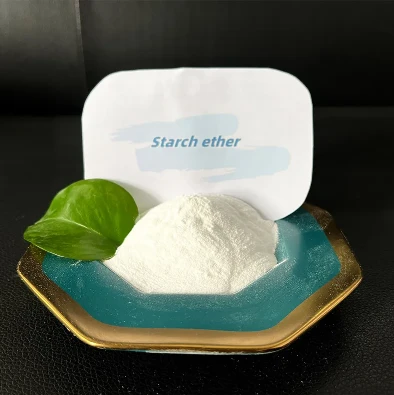
As a critical additive in the construction, chemical, and tile adhesive industries, starch ether pla -
 hpmc_molecular_weight
Oct . 25, 2025
Hydroxypropyl methylcellulose (HPMC) , a versatile polymer traditionally used in pharmaceuticals and


